



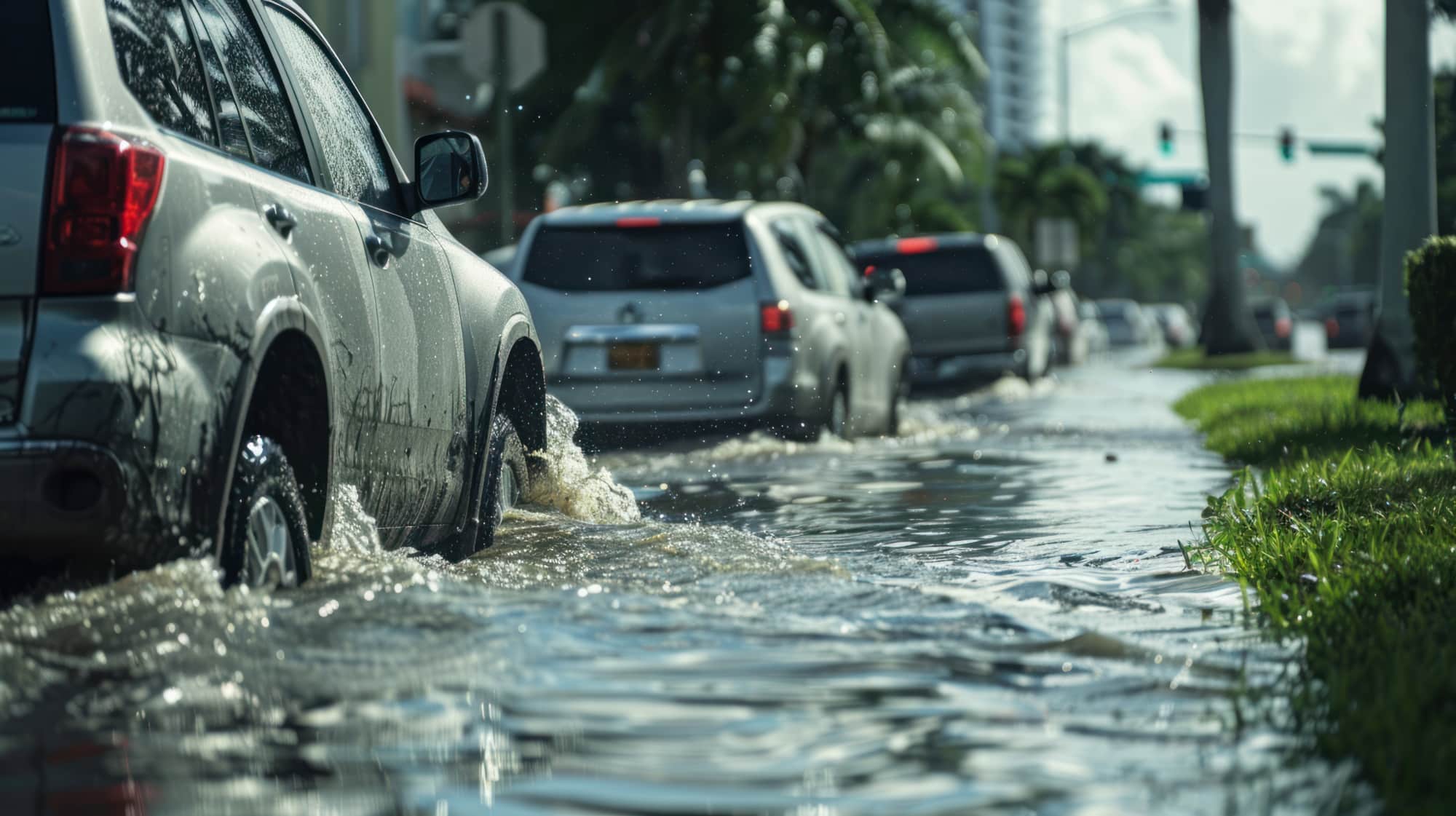
Accidents in South Florida are often influenced by factors beyond driver behavior and road conditions. Weather plays a role in both causing accidents and shaping liability. In such situations, determining fault and liability can be more complex, as courts must assess whether the parties acted reasonably under prevailing weather conditions.
If you are involved in an accident influenced by weather conditions in Fort Lauderdale, you have legal options. It is advisable to work with a trusted personal injury law firm in Florida to evaluate your case. Your South Florida personal injury lawyer at Winston Law will assess the influence of weather on the accident and how it affects responsibility.
Weather Conditions Contribute to Many Accidents in South Florida
South Florida’s climate presents unique challenges for drivers, pedestrians, and property owners alike. These roads frequently see dramatic spikes in crashes during bad weather. Reports indicate that crashes can increase by up to 300% during storms in parts of the region, with rain identified as a key factor in hundreds of injuries and fatal crashes.
- Heavy Rain & Hydroplaning: Sudden thunderstorms dump inches of water in minutes on hot pavement, creating a thin layer of water between tires and the road. This causes vehicles to lose traction, a phenomenon known as hydroplaning. This can lead to car accidents, including rear-end crashes and vehicles veering into other lanes.
- Reduced Visibility: Torrential rain, combined with dark clouds and spray from other vehicles, severely limits visibility. Fog is more common in the mornings or in coastal areas, which can lead to chain-reaction crashes on highways.
- Flooding & Standing Water: Low-lying areas, poor drainage in urban zones, and saturated ground in Fort Lauderdale can lead to rapid flooding. Drivers may underestimate depth, stall engines, or lose control, especially on streets, highways, and near canals.
Insurance companies mostly argue the “act of God” or blame the weather alone to deny claims. However, courts do not accept this for foreseeable events, such as afternoon thunderstorms. True unforeseeable events, such as extreme flash events with no warning, are not defenses.
How Weather-Related Accidents Affect Liability
Weather conditions in South Florida play a key role in shaping liability in personal injury cases. However, the conduct of the different parties is weighed heavily because they are required to uphold reasonable behavior toward one another. Courts and insurance companies will examine whether each party acted prudently, given the specific conditions at the time of the accident.
- Drivers: Drivers have a duty to operate vehicles safely under all conditions, adjusting speed, following traffic laws, and maintaining control in rain, wind, fog, or other hazardous conditions. Driving too fast on a flooded road or ignoring visibility limitations, for example, can make the driver legally responsible for collisions or injuries.
- Property Owners and Managers: Premises owners must maintain safe conditions for visitors, as required by premises liability law. This includes clearing walkways, managing water drainage, placing warning signs, and addressing hazards promptly. Negligence in these duties can contribute to liability if a slip, trip, or fall occurs due to icy, wet, or obstructed surfaces.
- Municipalities and Government Agencies: Local governments are responsible for road maintenance, drainage, and timely hazard warnings. Flooded streets, poorly maintained infrastructure, or a lack of warning signs during storms can create dangerous conditions. When government entities fail to meet these obligations, they may share liability for weather-related accidents.
- Contractors and Maintenance Companies: In some cases, contractors tasked with construction, landscaping, or drainage maintenance may contribute to unsafe conditions. Improper work that fails to account for stormwater runoff, weak guardrails, or uneven surfaces can increase the risk of injury, creating grounds for third-party liability.
By identifying each potentially liable party and their role, accident victims can better build claims and pursue compensation for damages. Your Fort Lauderdale personal injury lawyer can gather evidence and document how the weather interacted with human or structural negligence to prove responsibility. They will also evaluate your case based on Florida’s no-fault laws to ensure you secure the best possible outcome.
In multi-party situations, weather can also complicate shared liability. An accident might involve a combination of driver negligence, hazardous property conditions, and environmental factors like flooding or wind-blown debris. Courts assess each party’s actions in the context of the weather, determining who failed to act reasonably and how those failures contributed to the personal injury.
Contact a South Florida Personal Injury Attorney For Your Weather-Related Accident
Determining liability when weather conditions contributed to an accident can complicate the analysis of negligence. However, legal support can assess the situation and identify all potentially responsible parties. With professional guidance from Winston Law, you can pursue compensation for all the resulting losses and injuries. Schedule your case evaluation today and secure the support of a Fort Lauderdale personal injury lawyer to increase the likelihood of a fair outcome.