



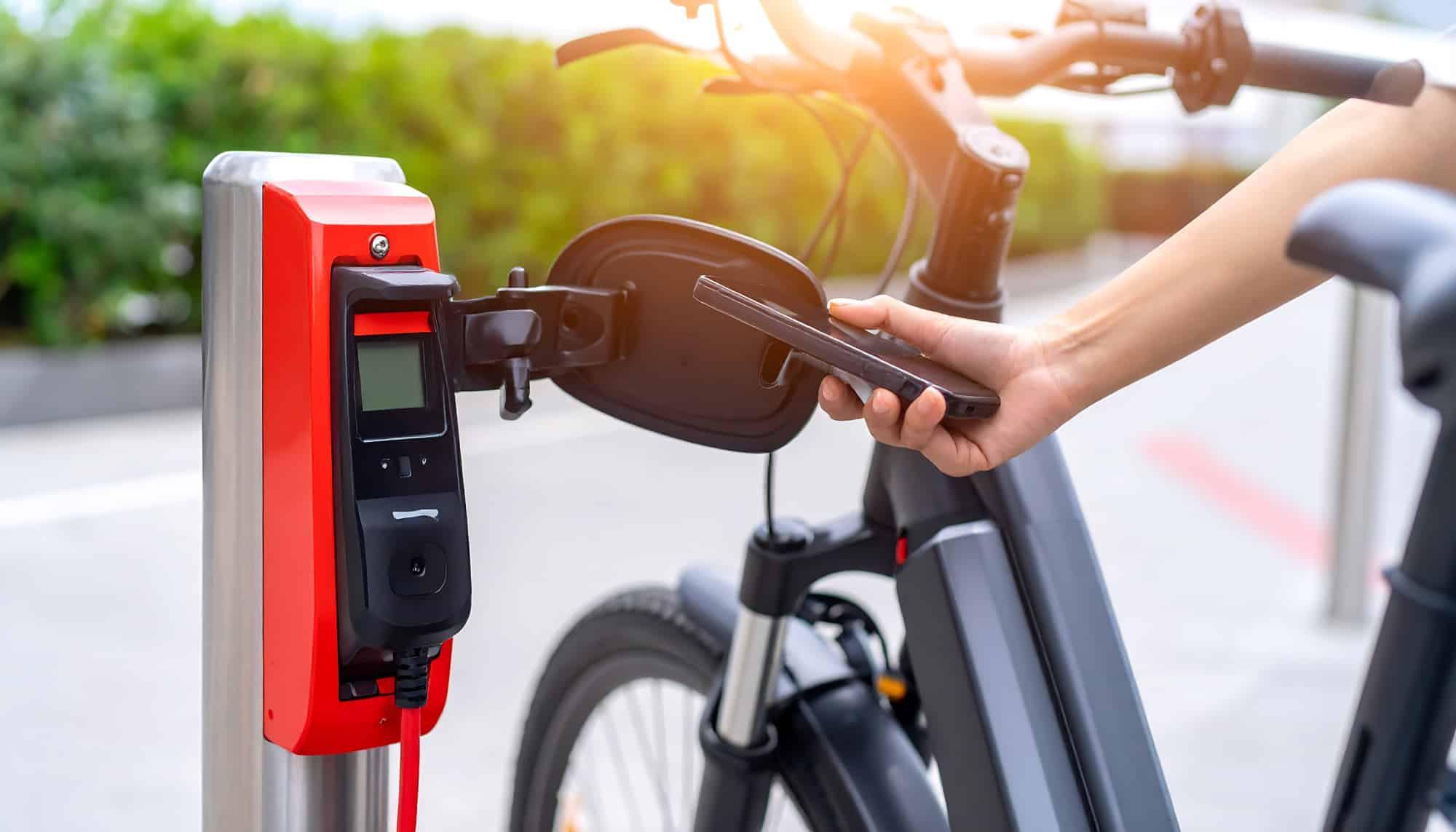
Electric bicycles (e-bikes) have grown in popularity in Florida for commuting, recreation, and eco-friendly transport, especially in areas like Fort Lauderdale with bike-friendly paths. These battery‑powered bikes offer accessible, low‑cost transportation and recreation. At the same time, lawmakers, safety advocates, and local officials are grappling with how best to regulate them as popularity and related safety concerns grow.
Winston Law, serving clients across Fort Lauderdale and the greater Palm Beach–Broward region, tracks these evolving laws closely. Our bicycle accident lawyers understand that how e‑bikes are regulated affects rider safety, civil liability in crashes, and the legal framework governing accidents that can result in serious or catastrophic injuries.
Read on to learn about major changes under consideration and what legal implications they carry.
Current Florida E-Bike Classifications and Rules
To understand the proposed changes, it’s crucial to know the current legal framework. The first major legislative shift occurred with Senate Bill 462, which took effect on July 1, 2025. Under existing Florida law, e-bikes that fall within the standard three-class system are generally treated as bicycles. This means:
- E-bikes are defined by a motor under 750 watts and must have operable pedals and a seat.
- Riders have the same rights and duties as traditional cyclists.
- No state-issued driver’s license, vehicle registration, or insurance is required to operate a legal e-bike.
- Cities and counties retain significant authority to regulate e-bikes on sidewalks, specific trails, beaches, and dunes, and can even set local minimum age requirements.
This patchwork of state‑level permissiveness plus local control has led to differing expectations across jurisdictions. A rider may enjoy broad freedom in one city but face age restrictions or training requirements in another. This has direct implications for accident liability and compliance questions that bicycle accident lawyers may need to address after a collision.
Proposed Law Changes: Toward Statewide Uniformity
Several proposal trends in the 2026 Florida legislative session suggest a far broader state‑level overhaul of e‑bike law, with bills like SB 382 and HB 243 gaining traction. These proposals reflect growing concern among lawmakers about safety and the integration of e‑bikes into mixed‑traffic environments.
Also, current crash reporting often lumps e‑bikes with bicycles or scooters, obscuring trends that could inform targeted safety interventions. Proposed laws (SB 382) seek to improve this. The most impactful potential changes include:
- Mandatory Licensing for Certain E‑Bikes: Under proposals, riders of Class 3 e‑bikes will be required to have a valid driver’s license or learner’s permit to operate legally. This creates an effective minimum age of 15–16 and aligns with other motorized vehicle rules.
- Creation of an “Electric Motorcycle” Category: Bikes with motors above 750 watts or capable of exceeding the 28 mph cap could be reclassified as electric motorcycles, bringing registration, insurance, and full licensing requirements similar to gas‑powered motorcycles.
- Yielding and Shared Path Rules: Operators must yield to pedestrians on shared paths and provide an audible signal before passing.
- Speed Limits Around Pedestrians: Proposals will set limits to under 10 mph in heavily trafficked public or pedestrian‑dense areas, such as sidewalks, parks, and trails.
- Crash Data Reporting and Enforcement Enhancements: Law enforcement would be required to track and report e‑bike involvement in traffic accidents, providing better data for policy decisions and enforcement priorities.
- Penalties for Modifying E‑Bikes: Proposed legislation will penalize riders who knowingly modify e‑bikes to exceed factory speed limits, with non‑criminal fines for first and repeat offenses
As these laws evolve, the team at Winston Law is prepared to assist Fort Lauderdale residents who may face questions or legal challenges related to e-bike use. If you are involved in a bicycle accident, cited under a new local ordinance, or have concerns about how pending state legislation affects your rights, a lawyer can provide legal support and representation.
Your bicycle accident lawyer can evaluate whether riders were operating within updated legal frameworks at the time of a crash. For instance, reclassification as electric motorcycles could shift some riders into areas requiring insurance coverage. Your attorney will factor in the potential impact on the valuation of your claim and settlements.
Seek Legal Guidance for E-Bike Accident Claims
As state lawmakers push for changes to e-bike laws, the legal landscape is becoming dynamic. The legal team at Winston Law keeps abreast of these developments to understand how they affect liability determination and civil claims arising from electric bike accidents. We can explain how evolving law may change how you ride and share the road, and what legal recourse may be available after crashes.
If you’ve been injured in an e-bike accident or have questions about Florida’s changing laws in Fort Lauderdale or elsewhere, contact us for a free consultation.