


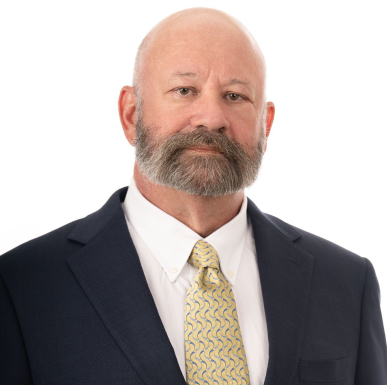


Insurance adjusters begin monitoring your social media before a claim is ever filed. A birthday dinner photo, a beach check-in, a friend’s tag from last weekend: all of it is visible, all of it is being watched, and all of it can be used to argue you are less injured than you say. South Florida insurers are among the most active in the country at building this evidence before litigation even begins. At Winston Law Firm, Bradley Winston is a Fort Lauderdale personal injury attorney who has spent more than 30 years on the plaintiff side, watching how this evidence gets used against injured people.
How Insurance Companies Monitor Your Social Media Before You File
In Florida, the moment an accident victim posts anything publicly, that content becomes potentially discoverable in a personal injury case. A Florida appellate court has held that a plaintiff has no reasonable expectation of privacy in photos shared on social media, which means the “it’s private” defense carries no weight in Florida courts.
South Florida insurers are particularly active in screening claimants’ profiles before litigation begins. Adjusters are trained to identify content that contradicts injury claims: photos of physical activity, event attendance, location check-ins, or any post suggesting your daily life is unaffected by your injuries.
This type of pre-litigation monitoring is common in South Florida, one of the most active personal injury insurance markets in the country. It affects Florida personal injury claims at every stage, from initial demand through trial, which is why what you post today can become evidence months from now.
The Posts That Damage Your Case
Social media evidence that damages Florida PI cases falls into two categories: activity posts and inconsistency posts.
Activity posts are photos, videos, or check-ins showing you at events, exercising, traveling, or doing anything your injury claim says you cannot do. Pain and suffering damages and loss of enjoyment claims depend on how your daily life has changed. A single inconsistent post can frame the defense’s entire damages argument.
Inconsistent posts are anything that contradicts your deposition, medical history, or statements to doctors. A caption that says “finally feeling like myself again” placed next to a claim of permanent limitation gives the defense the crack they need.
Friends’ tags, automatic check-ins, and comments others leave on your page are all part of this record. A Fort Lauderdale personal injury lawyer sees how social media affects your claim from day one of taking a case.

Why You Should Not Delete Your Posts
When clients hear their social media can be used against them, the first instinct is to delete everything. That is the wrong move.
Deleting posts after you file a claim or retain an attorney can constitute destruction of evidence under Florida law. If a court finds you removed content that was relevant to your case, the judge can allow the jury to draw a negative inference, assuming the deleted posts would have supported the other side. That inference is often harder to fight than any individual post.
The right approach before touching anything on your accounts:
- Stop posting new content about your daily activities or your health
- Set all accounts to the most private settings available
- Ask friends and family not to tag you in photos or posts
- Talk to your attorney before removing anything from any platform
Opposing counsel can request social media content under Florida civil discovery rules, including content from accounts you believe are private.
How Florida’s 2023 Negligence Law Made Social Media Evidence More Dangerous
Florida changed its comparative negligence law in 2023. Under the current rule, if a court finds you are more than 50 percent responsible for your own injury, you recover nothing.
Social media evidence has always been used to attack damages claims. It is now also used to establish fault. A post showing where you were, what you were doing, or how you were feeling at the time of an accident can serve as evidence of fault. Once authenticated under Florida’s evidence admissibility standards, that content can reach a jury.
The connection between a social media post and a reduced settlement is no longer abstract. In Florida, it can mean the difference between full recovery and no recovery at all.
Secure Your Settlement With a Fort Lauderdale Personal Injury Lawyer
Fewer than 1% of U.S. lawyers qualify for lifetime membership in the Million Dollar Advocates Forum, which requires winning million-dollar verdicts and settlements on behalf of clients. Bradley Winston holds that membership, along with Florida Bar Board Certification in Civil Trial Law, a designation held by only 7% of eligible Florida Bar members, and an AV Preeminent 5.0 peer review rating from Martindale-Hubbell.
At Winston Law Firm, we take on cases against insurance companies that have every incentive to minimize what you receive. Contact us online to schedule a free consultation.